
⚡ RV Generator Size Calculator (Find Your Exact Size Instantly)
Not sure what size generator you need for your RV? Use the calculator below to get an exact recommendation in seconds — based on your air conditioner and power usage.
✔ Calculate running watts instantly
✔ See startup (surge) requirements
✔ Get the right generator size — no guesswork
Disclosure: This page contains affiliate links. If you purchase through them, we may earn a commission at no extra cost to you.
⚡ RV Generator Size Calculator
👉 Select your AC and estimate the other appliances you expect to run at the same time.
AC wattages below are illustrative estimates. Check your unit’s nameplate or manual for its actual running and startup requirements.
Scroll down to see the best generators for your exact wattage range
Compare the Best Generators for Your RV
👉 Start with the generator size recommended above — then choose the best option below based on your budget, noise preference, and power needs.
We’ve broken down the best generators by wattage so you can quickly find the right fit for your RV setup.
Recommended Generators by Wattage
💡 Tip: If your calculator result was close to the upper end of a range, choose the next size up to avoid overload and ensure smooth AC startup.
2000–3000 Watts (No AC / Light Use RVs)
If you don’t need air conditioning, this is the easiest and most affordable generator setup.
Best for van campers, teardrop trailers, and RVs without air conditioning or with very minimal power needs.
These generators can comfortably run:
- Lights
- TV
- Phone/laptop charging
- Small appliances (coffee maker, fan)
⚠️ Important:
A 2,000W-class generator will not start every RV air conditioner. Some specific AC units may work with a compatible soft starter and very limited additional loads, but this must be confirmed using the actual equipment specifications and generator ratings.
💡 Who this is perfect for:
- Boondocking / off-grid camping
- Quiet campgrounds with noise restrictions
- Backup power for essentials only
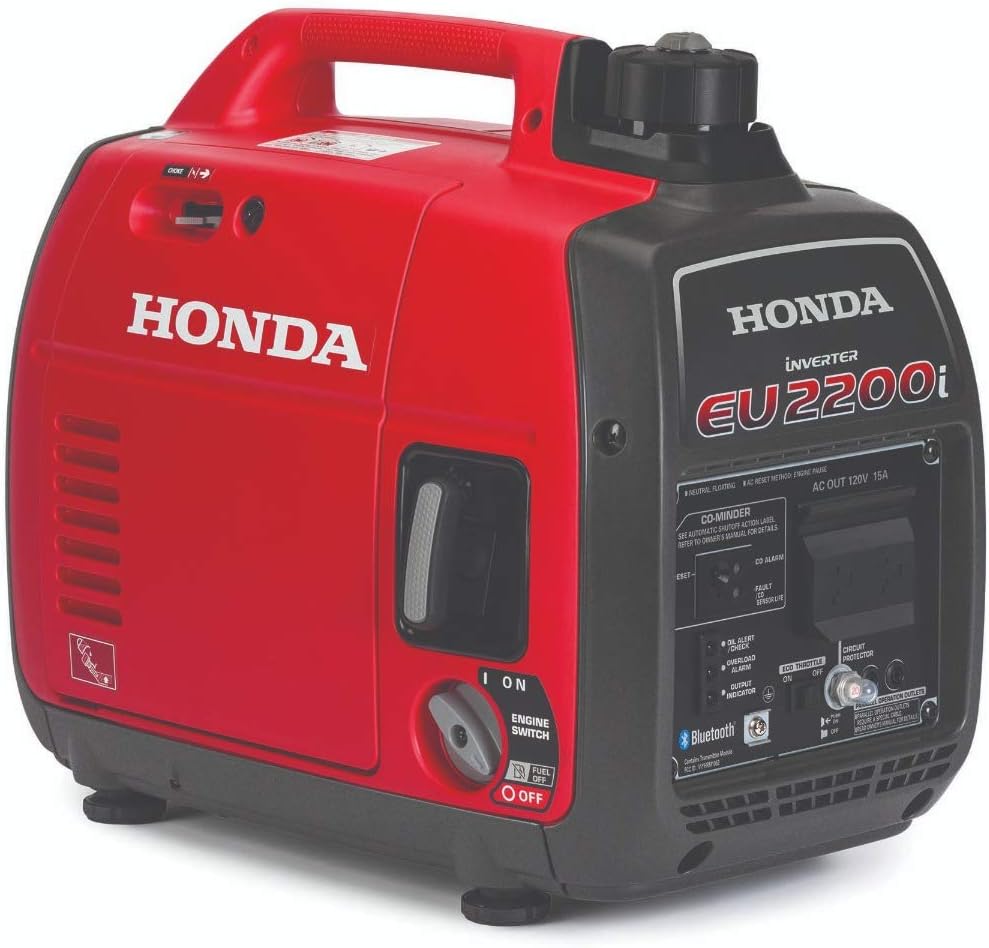
Honda EU2200i

WEN 2800
3000–4000 Watts (Small RVs & Single AC)
Some generators in this range may support a single rooftop AC, but BTU rating alone is not enough to determine compatibility. Check the AC’s running and startup requirements against the generator’s rated and surge output, including the fuel being used.

Champion 3500 Inverter
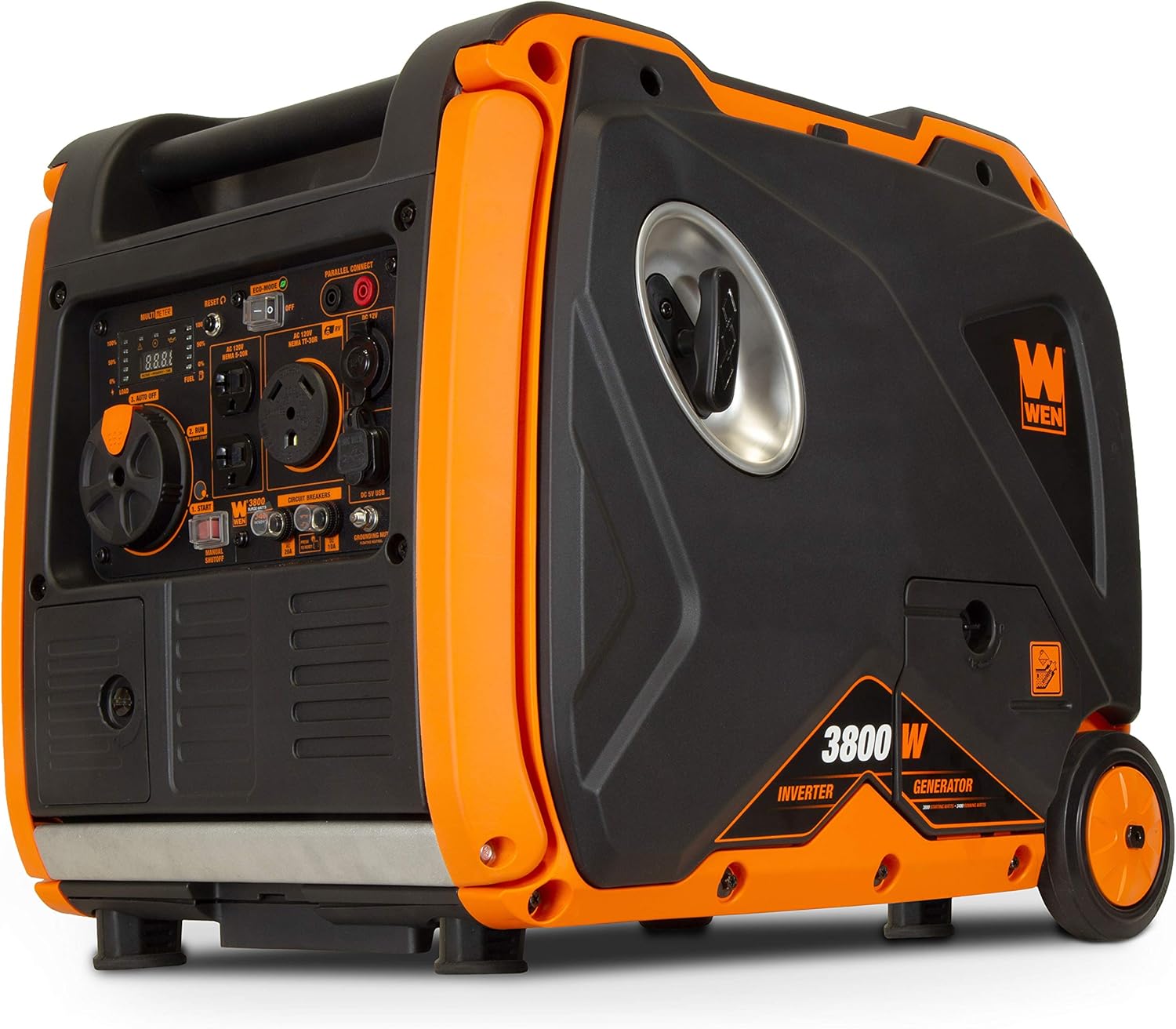
WEN 3800
4500–5000 Watts (Most RV Setups)
This range can provide more operating headroom for some RV setups. Whether it can run a 13,500 or 15,000 BTU AC with other appliances depends on the specific AC startup demand, generator rated output, fuel, altitude, and simultaneous loads.

Champion 4500 Inverter

WEN 4500
5000+ Watts (50 Amp & Large RVs)
Higher-wattage generators may support larger loads, but wattage alone does not establish 50-amp RV compatibility or the ability to run multiple AC units. A typical 50-amp RV connection uses 120/240V split-phase power; confirm the generator’s voltage, outlet configuration, continuous output, and whether it can supply both legs as required.

Westinghouse 5000 Dual Fuel

Champion 6500
Related Guides
- What Size Generator for RV AC
- Best Generators for Travel Trailers
- Quietest RV Generators Compared
- Can a 2000W generator run an RV AC?
Frequently Asked Questions
What size generator do I need for a 30 amp RV?
There is no single wattage that fits every 30-amp RV. A 30-amp, 120V connection has a theoretical maximum of 3,600W. Choose a generator with sufficient rated output and a compatible RV outlet, and check startup demand as well as running loads.
Can a 3500 watt generator run an RV AC?
Some 13,500 BTU AC and generator combinations may work, particularly with a compatible soft starter, but it is not guaranteed by BTU rating or generator size alone. Compare the AC’s actual startup and running requirements with the generator’s rated and surge output, and account for other loads.
What is starting wattage vs running wattage?
Running watts are the power an appliance draws during normal operation. Starting or surge watts are the total power demand during startup. In this calculator, the AC startup estimate replaces its running figure during startup; it is not added on top of the AC running watts.